Locate
Name the question, history, authority, affected places, and what is at stake.
Neighbors make a hard public question visible enough to understand, discuss, test, and carry forward together.
Public SystemsA developing practice for turning fragmented public problems into shared inquiry, accountable partnership, and stewardable next steps.
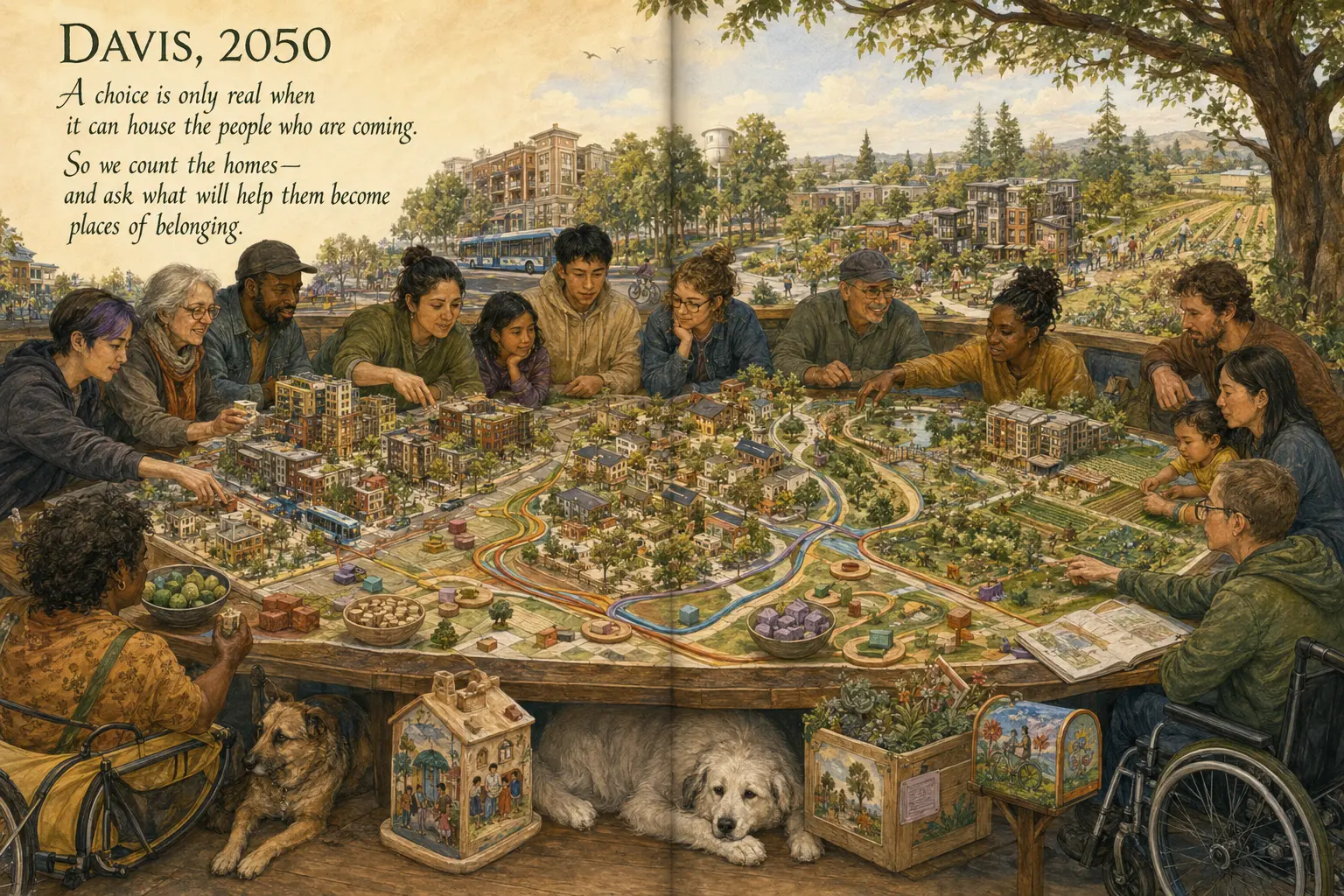
Working premise
This stream asks how communities can preserve knowledge, capability, relationships, tools, and public memory through political conflict, institutional change, and economic transition.
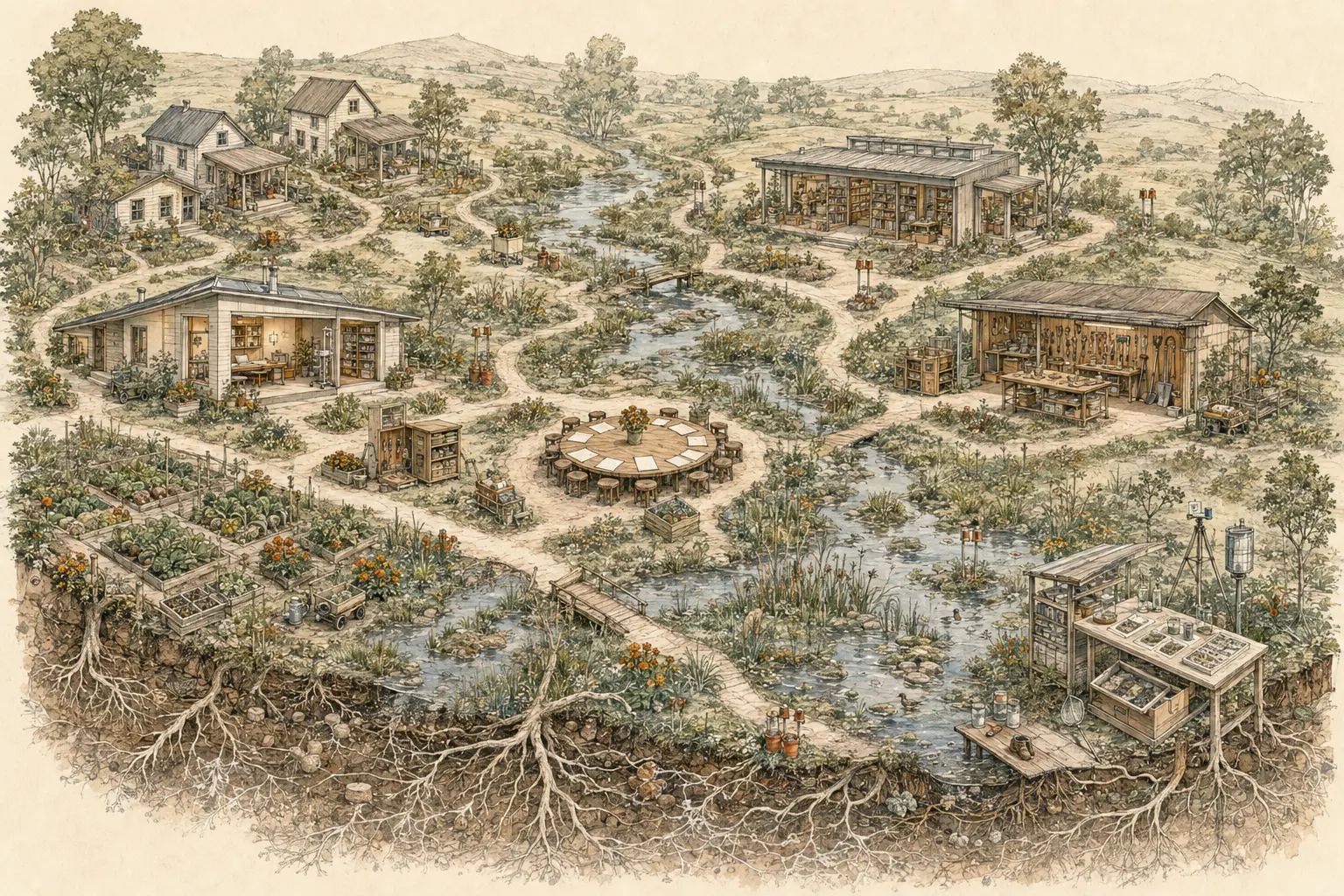
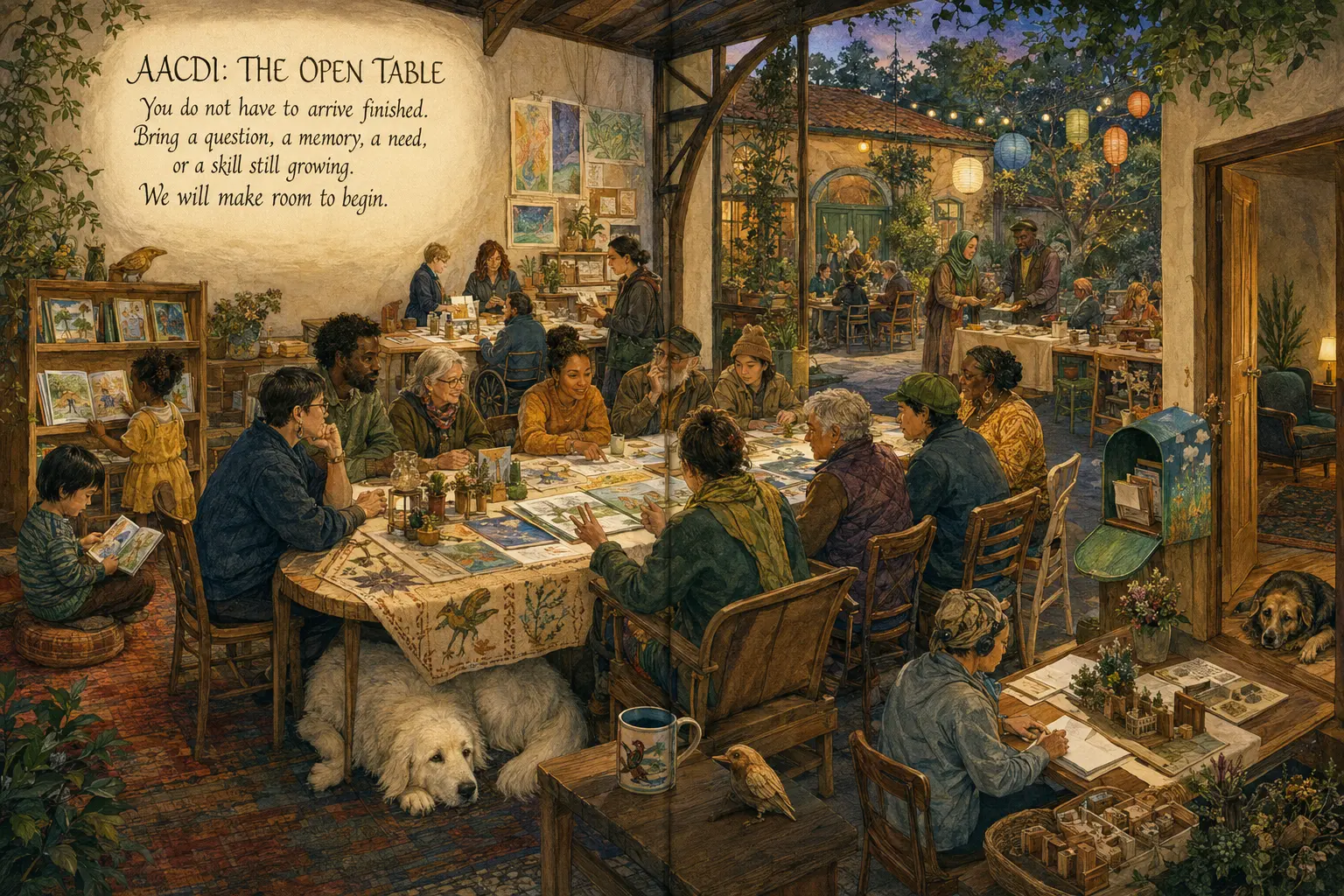
Different visual doorways
Each image holds a different scale, mood, or practice. Together they keep the project from collapsing into one scene.
Evidence in hand
A named project can orient development without pretending that a complete program, host, cohort, site, or institution already exists.
Practice rooms
These are working areas for learning, review, collaboration, or a future bounded pilot—not departments with unlimited scope or standing authority.
Name the question, history, authority, affected places, and what is at stake.
Bring lived experience, public records, community observation, expertise, and uncertainty together.
Choose a bounded field inquiry, workshop, audit, agreement, or recommendation.
Compensate contribution, preserve learning, review effects, and strengthen the case for public investment.
Current invitations
Claim and care boundary
This work does not replace democratic authority, professional environmental review, clinical judgment, public agencies, or adequately funded staff. Community science should reveal and supplement missing capacity while building the case to restore it—not normalize abandonment.